


Meet Colombia's fuzzy 'water guardians'
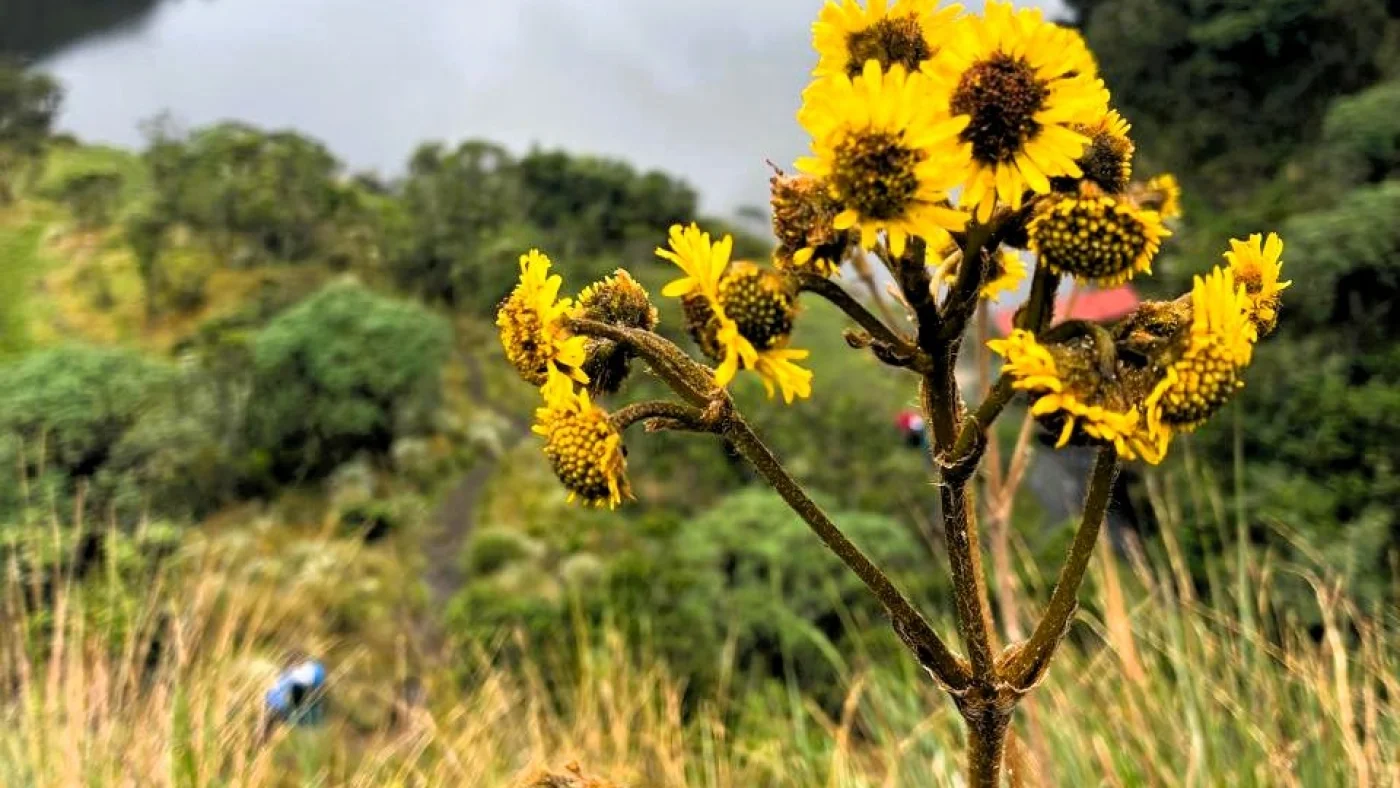
MONGUÍ, Colombia — Moisés Moreno greets visitors at his greenhouse 10,000 feet high in the Andes Mountains.Underneath the plastic roof, he nurtures tiny seedlings that can grow to be 30-feet tall."Do you know anything about frailejons?" Moreno asks his visitors, who are mostly clueless.Related to the sunflower, frailejons are the iconic flora of Colombia's high mountain wetlands, which are known as páramos, and are vital for the country's water supply.The wooly fuzz on their leaves protect frailejons from the cold and absorb water from the cloud cover.
This helps maintain moisture in the páramos, which are the source of major rivers, and much of Colombia's water.But frailejons and the páramos where they grow face a growing array of threats, including farmers, cattle ranchers and coal miners who are gradually pushing higher into the Andes.In addition, climate change is warming the mountains, allowing invasive species to survive at higher altitudes and disrupt their fragile ecosystems. Of the nearly 150 species of frailejons, two-thirds are at risk and 17 are endangered, says Mauricio Diazgranados, a Colombian expert on the plant who is chief science officer at the New York Botanical Garden."They are a keystone species for maintaining the páramos and play a key role in water production," he says.
"But most frailejons are in trouble,"When explorers first spotted the shrubs mysteriously protruding from the mountain fog centuries ago, they reminded them of hooded monks.Hence the name frailejon, which is Spanish for "big friar."The long, thin leaves of some species bend toward the sky and resemble palm fronds.
Many are stout in the middle because, rather than falling to the ground, their dying leaves slump down to form a brownish outer shell to their trunks.The Muisca Indians, who once populated the area, considered frailejons to be sacred guardians of the water. When he first came across the plants as a teenager in Colombia, Diazgranados says: "I became comp...