


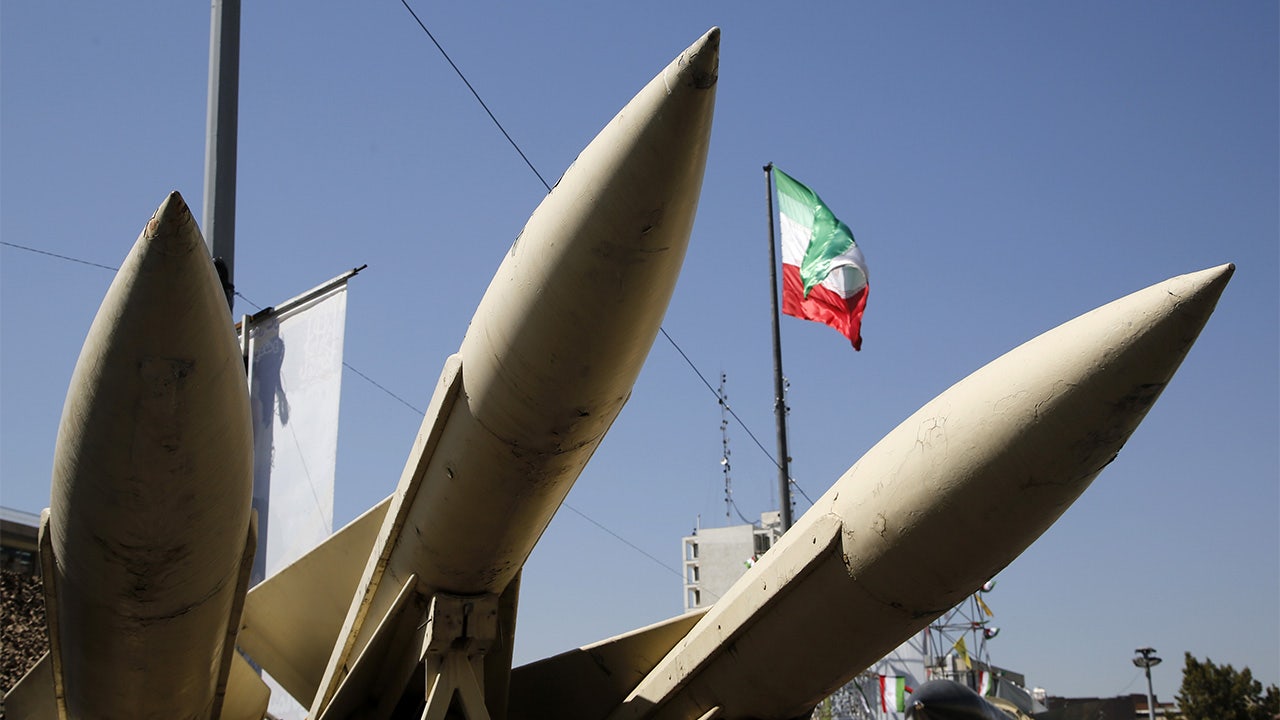
For months, senior Trump administration officials argued that Iran's ballistic missile arsenal helped shield Tehran's nuclear ambitions and was a key reason the U.S.launched Operation Epic Fury attacks on the country. Now, President Donald Trump is suggesting Iran having missiles may not be a problem at all."If other countries have them, it's a little bit unfair for them not to have some.
If Saudi Arabia and Qatar, and they all have some, I would say that in relative proportion, I think it's okay," Trump said at the G7 Wednesday."Am I going to let Saudi Arabia have missiles, but [Iran] can't have them? It doesn't work that way." "Missiles aren't the problem.
They hurt a little location, but they don't blow up the planet.""The Gulf nations will address the nonnuclear issues, as we'll be talking about the ballistic missiles," the president added."And we'll talk, also, about the terrorist proxies that they have that — we don't want that to happen." A map displays the range of ballistic missiles fired from Iran, highlighting areas within reach.
(Fox News)ISRAELI OFFICIALS REPORTEDLY WARN IRAN'S BALLISTIC MISSILES COULD TRIGGER SOLO MILITARY ACTION AGAINST TEHRANTrump made the remarks while discussing whether Iran should be permitted to retain missile capabilities in a news conference at the G7 in Évian-les-Bains, France, just as details of the memorandum of understanding between the U.S.and Iran were being released. The comments strike a much different tone than arguments repeatedly made by senior administration officials in recent months, who described Iran's ballistic missile force as both a major threat to regional security and a protective shield for Tehran's nuclear program."Iran can never have a nuclear weapon and we will not allow Iran to hide behind the immunity of a massive short-term ballistic missile inventory, or the ability to make them or launch them," Secretary of State Marco Rubio told reporters in a press conference on March 3.
"What they are...