


Never miss a story or episode from Life Kit. Sign up for our weekly newsletter to get our journalism delivered directly to your inbox."You're an idiot." "You're weak." Have you ever said critical things to yourself when you feel any emotions? If so, it may be a sign you struggle with self-worth, says psychologist Marisa Franco.That means feeling good about yourself and "treating your emotions like they matter."The good news is that self-worth is a skill that you can learn and get better at, says Franco, author of Worth: The New Science of Self-Esteem and Secure Attachment, published in September.
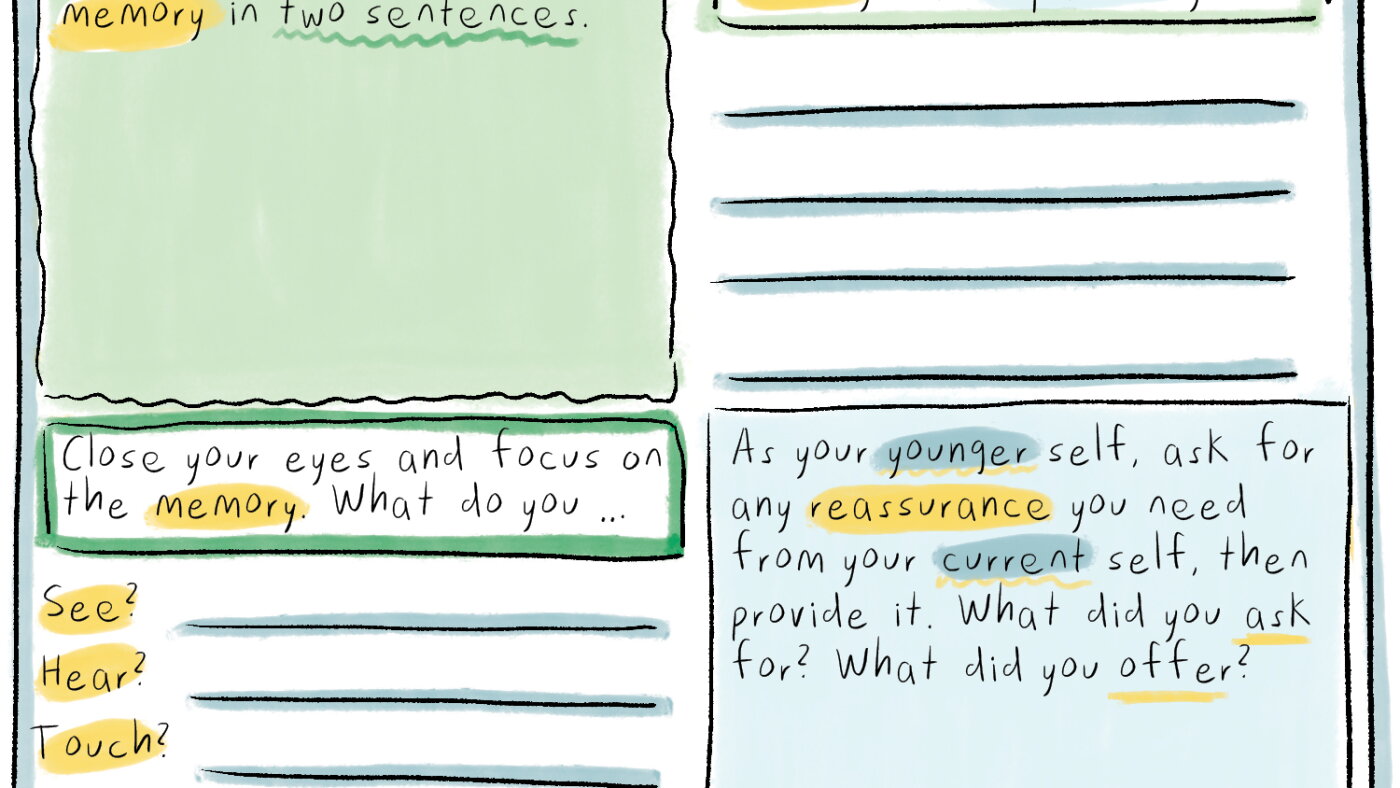
Drawing on the latest research in psychology and neuroscience, the book offers insights and exercises on how to build a stronger sense of value for yourself.One effective way to do that is to revisit difficult memories, Franco says.This approach is based on memory reconsolidation theory, based on the work of behavioral neuroscientist Karim Nader."It's about looking back at these memories, giving yourself catharsis and allowing those feelings to move through you more so they don't continue to shape your sense of self right now," Franco says.In a conversation with Life Kit, Franco explains the benefits of good self-esteem — and shares an exercise to boost your sense of self-worth.
This interview has been edited for length and clarity.Let's talk about memory reconsolidation.Researchers have found that we can transform our memories, and that can make us feel more worthy. The thing about memories is they don't just record the past, they predict the future.When you return to a memory and envision yourself intervening as an adult and saying, "You're safe, I care about you and I'm never going to leave you," it can be quite transformative.That leads to higher self-esteem, less symptoms of trauma, and also changes in the hippocampus, which is the part of our brain where our memories are stored.In your book, you explain how to do a memory reconsolidation exercise called repare...