


US removes radioactive cancer-treatment material from Central American country over 'dirty bomb' risk
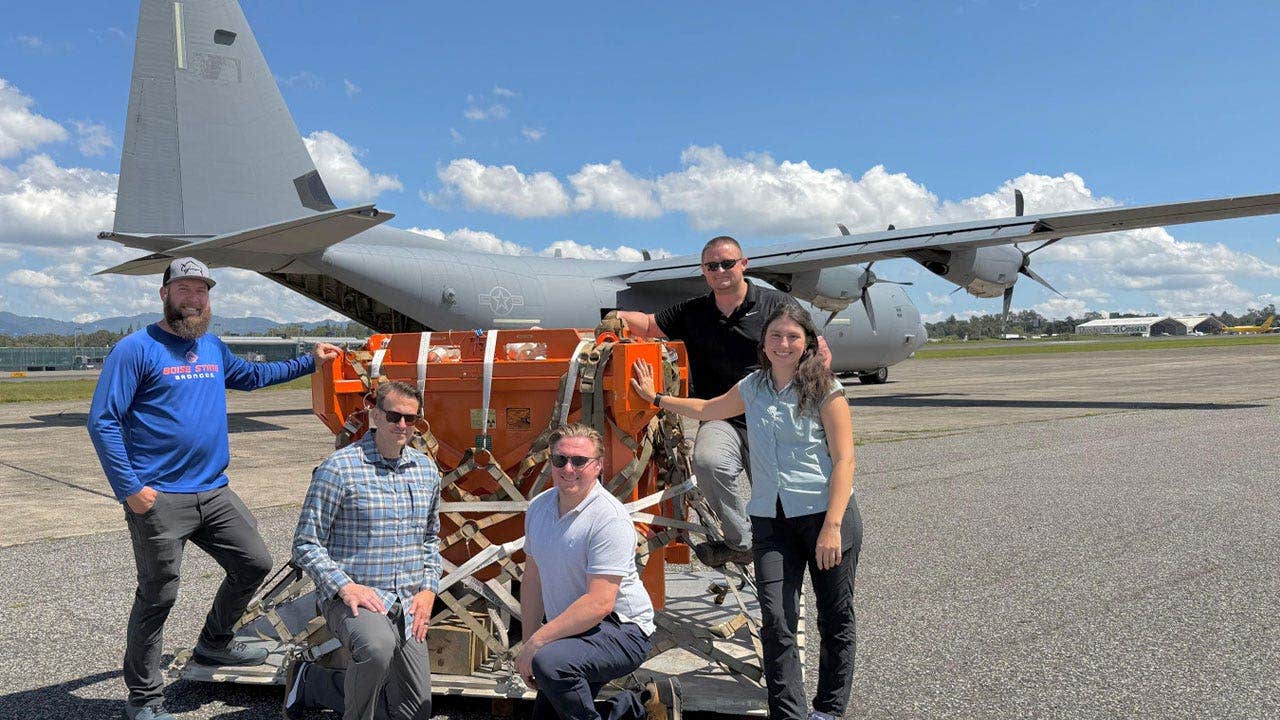
A highly radioactive material used to treat cancer is back on U.S.soil after American officials removed it from Guatemala over concerns it could be stolen and used to create a "dirty bomb."The cobalt-60 source had been housed inside a disused medical radiation device before U.S.
and Guatemalan teams removed the radioactive component and transported it to secure storage in the United States.The U.S.National Nuclear Security Administration (NNSA) announced the operation Thursday, saying it was part of a broader effort to prevent dangerous radioactive materials from falling into the hands of terrorists and other adversaries.The operation began in May, when specialists from the NNSA's Los Alamos National Laboratory in New Mexico worked with a facility in Guatemala to remove part of a U.S.-origin teletherapy machine containing cobalt-60.Guatemalan officials assisted with transportation, logistics and physical security.TRUMP SAYS US COULD ‘TAKE’ IRAN’S URANIUM AFTER STRIKES: HOW IT WOULD WORKMembers of the U.S.
removal team stand with a cobalt-60 source secured inside a Type B package for transportation from Guatemala.(National Nuclear Security Administration)Cobalt-60 is used in medical devices to treat cancer, but the NNSA said highly radioactive sources can pose a security threat if stolen.
The agency said the material removed from Guatemala could have been used to create a radiological weapon, commonly known as a "dirty bomb."The removal comes as the Trump administration emphasizes preventing terrorists from obtaining chemical, biological, radiological or nuclear weapons.The administration's 2026 Counterterrorism Strategy identifies preventing terrorists from acquiring such weapons as a critical U.S.
national security responsibility."Our mission is simple: protect American citizens, secure our borders, and ensure our adversaries never get their hands on materials that could harm our country," Matthew Napoli, deputy administrator for the NNSA's Office of Defe...