


Clockwise from upper left: Marissa Pike, Tyrone Laundersville, Rasheeda McCrae and Samanthya Marlatt share their experiences in foster care.Sophie Park, Kathryn Gamble and Wesley Lapointe for NPR hide caption Tyrome Laundersville was 9 years old and he didn't understand what was happening the day his mother and father put him in the family car at their home in Iowa and drove him to foster care.He was excited, at first.
He remembers thinking: "'Oh we're going somewhere fun.'"Their destination was a psychiatric residential treatment center.Most children in foster care live with families, with relatives or with other foster parents.But about 10% of disabled kids in foster care live in group homes and institutions, compared to just 4% of those without disabilities.An NPR investigation found children with disabilities, including physical and behavioral health disabilities, are the largest group that goes into foster care — and they have the worst outcomes.We obtained federal data on more than 500,000 children and youth in foster care in 2025.
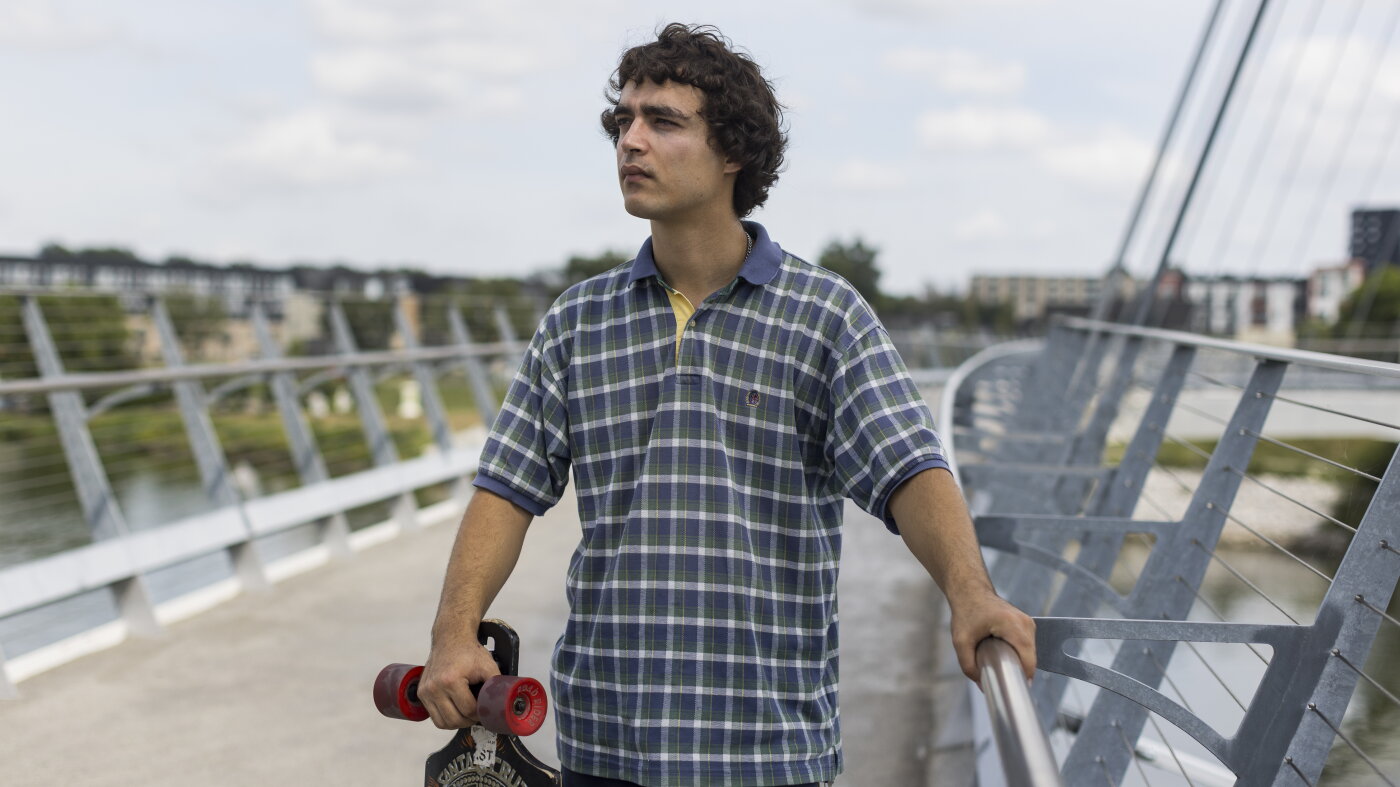
We calculated that disabled children stay in foster care 50% longer than kids without disabilities.They're less likely to return to their parents or to be adopted.To get past the numbers and better understand the issues of children with disabilities in foster care, NPR interviewed former foster youth about their experiences — like Laundersville.Tyrome Launderville is a disability rights activist who spent time in foster care as a child.
Kathryn Gamble for NPR hide caption When Laundersville was 9, his occasional screaming, aggression and property destruction were things his parents just couldn't figure out.The hope was that he'd get treated at that facility and come ...